
Aluminum vs. Acrylic vs. Foam Board: Which Sign Do You Actually Need?
Key points:
- Aluminum (ACM): The rigid, “permanent” standard for exterior branding that proves you’re established and won’t warp.
- Acrylic: The high-end choice for lobbies, creating a sleek 3D depth that flat decals simply can’t match.
- Foam Board: Your go-to for temporary presentations and easels—just keep it away from the weather.
Figuring out what type of business sign you need isn’t about what would look good on a PDF proof, it’s about matching the right material to the task. At JC Pro Design, we’ve printed over a million items, so we know exactly what materials hold their own in a boardroom, and which ones belong on a temporary easel.
Here’s a no-nonsense breakdown of the 3 different types of custom signs that we manufacture, and exactly when you should and shouldn’t consider them.
1. Aluminum Signs (ACM)
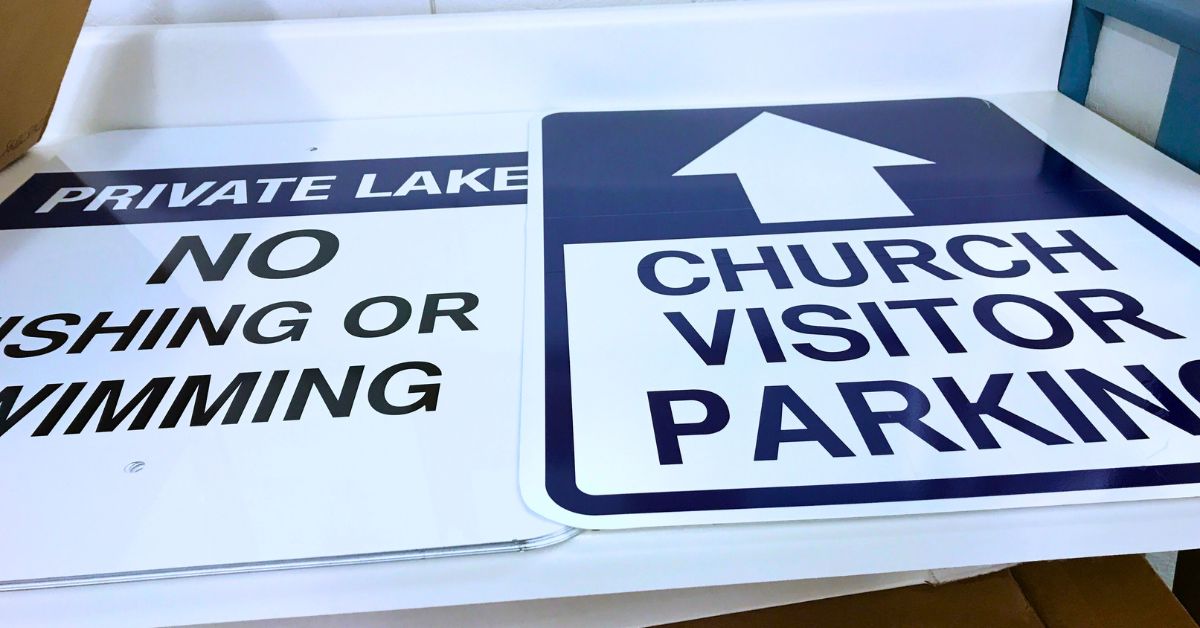
Aluminum signs are great for business exteriors, real estate markers and parking lot signage. If you need a sign that says “We’re an established business and we’re not going anywhere!” you’ll want aluminum composite material (ACM) signage. It’s a rigid PVC core between two aluminum sheets.
Why we recommend it:
- It doesn’t warp or bow between mounting posts like cheap plastic sometimes does.
- Because the surface is flat, digital prints apply smoothly. That means your logo or design looks crisp instead of wavy.
- The upfront cost is higher than some common temporary materials, but ACM is the standard for long-term value.
2. Acrylic Signs
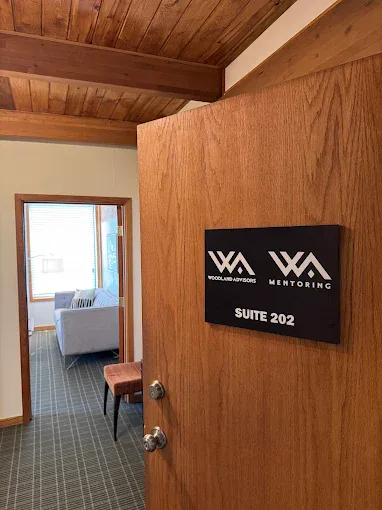
Photo credit: Jason Woodland / Woodland Advisors
Acrylic signs work well as lobby reception signs, office directories and architectural branding points.
Acrylic (more commonly known as Plexiglass) is the material you pick when you want to impress a client the minute they walk through the door. It has a sleek, glass-like finish that raises the perceived value of your space.
Why we recommend it:
- We typically mount these with standoffs, which are metal spacers that float the sign off the wall. This creates shadows and a 3D effect that a flat decal can’t match.
- It has a different purpose than aluminum. It’s less rugged and more sophisticated, which makes it a great choice for law firms, tech companies, and medical offices.
3. Foam Board Signs
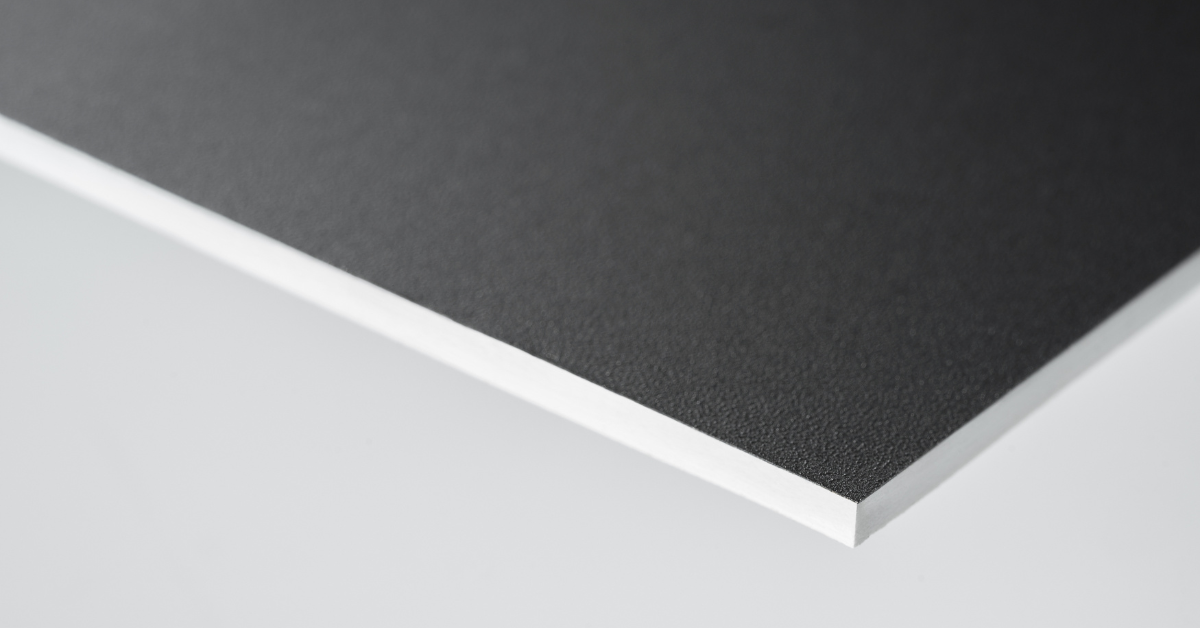
Foam board signs are ideal for trade show easels, presentation checks, and temporary event signage.
It’s a lightweight but sturdy material, and super cost effective. Great for situations where the message matters more than the lifespan of the sign.
Why we recommend it:
- You can easily tuck a large 24″ x 36″ foam sign under your arm walking into an event.
- If you’ve got a seasonal promotion or displaying a seating chart for a weekend event, foam board gives you a sturdy and professional look without the price tag of permanent signage.
FAQ: Common Questions We Hear at the Shop
“How do I decide between lit and non-lit signs?”
This comes down to your operating hours. If you are a pizza shop open until 10 p.m., a backlit sign is a necessity to capture evening traffic. But if you run a consultancy that closes at 5 p.m., a high-quality non-lit ACM sign is the better investment. It saves you money on electrical work and permits while still looking incredibly professional.
“What size of sign should I get?”
Don’t guess on this. A good rule of thumb is 1” of letter height for every 10’ of viewing distance. If your storefront is 50 feet away from the road, your letters should be at least 5 inches tall. Anything smaller than that and you’re just decorating your building, not advertising your business.
“Can I just use one type for everything?”
You can, but you shouldn’t! Using foam board on your building runs the risk of customers thinking you’ve cheapend out. And heavy duty aluminum signs for a temporary indoor easel is a waste of budget. The “pro” move is using the right tool for the specific job.